

Hüzün
Why misery loves company
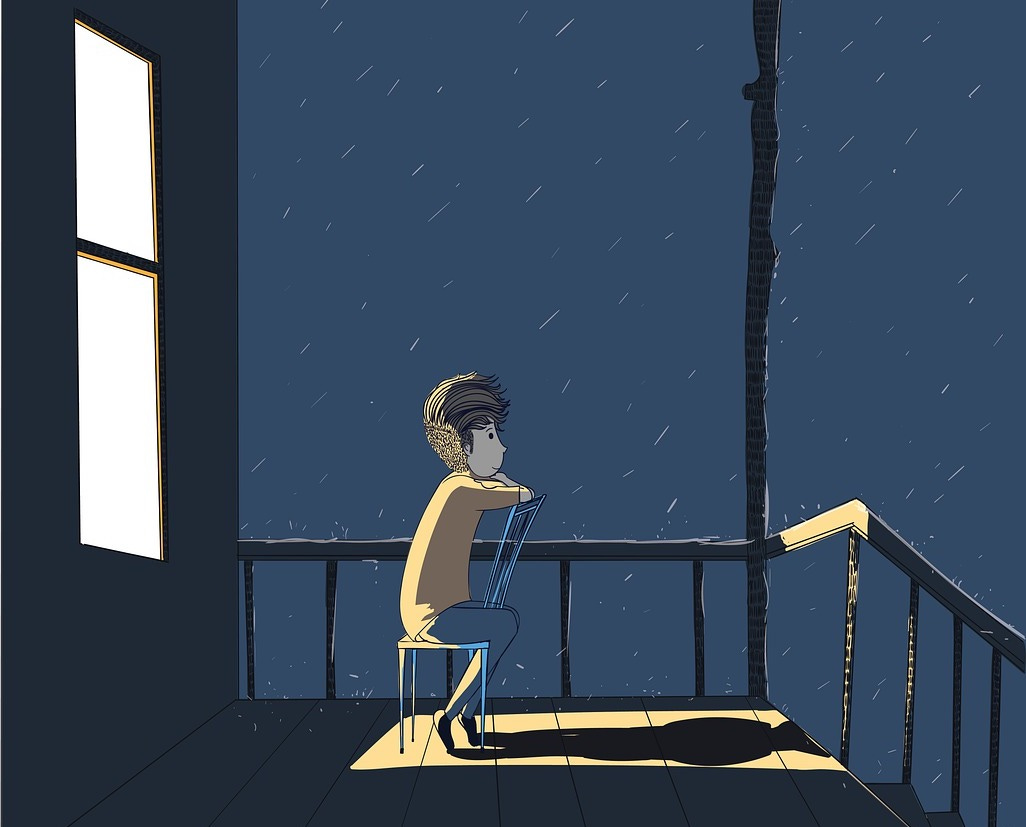
Hüzün [Turkish]
When I was pregnant with my now one-year-old son, every twinge of pain or even mild discomfort sent me into a panic. I would spend hours Googling my symptoms, wondering what was happening inside my body. Turns out, this is such a universal experience for pregnant people that there’s a name for it: antenatal anxiety. (I wrote an essay about it here.) When I learned this term, I felt like I could breathe a little easier. I even worried less. Not entirely, but less.
There’s a psychological concept called hypocognition that describes an inability to process an experience because you lack words for that experience. Not being able to label something changes the way you feel, perceive, and even remember that experience. When you do have words, something almost magical happens. It’s as though your experience becomes more real, more valid. Maybe you even feel a little less alone because you’re reminded that what you’re going through is a universal part of being human. There’s something comforting in that.
The Turkish word hüzün seems related to this idea. It describes a melancholy state of hopelessness that is only made bearable by its collectiveness. One Turkish speaker explains it like this:
“a somber, but not necessarily sad feeling that emanates from a rather melancholic state of being, which may be caused by failure in a given situation or life in general, inadequacy, or incapacity, all of which may prove to be such a heavy burden for the possessor of hüzün that it becomes an enduring but also a collective feeling shared or joined by other fellow empathizers or sufferers, which could also render the whole experience to be strangely poetic.”
Just like having the right word to describe your experience can make it more real, knowing that others are in the same boat can help make your situation a bit more bearable. Or at least, a little less lonely.
As the saying goes, misery loves company — but maybe not because we wish others to be miserable, too. Maybe because even at our lowest, we crave a sense of interconnectedness and solidarity.
What’s new?
At Hidden Brain, I worked on an episode about cross-class friendships. You can listen to it here: Who’s In Your Inner Circle.
The Most Dangerous Writing App. I took a writing workshop and someone recommended this masochistic tool for freewriting. You start with a writing prompt and then you write for five minutes. But if you stop before your time is up, the app deletes everything you’ve written. Thanks, I hate it. But I also love it?
I read this delightful essay by Rachel Seelig about sibling rivalry, pandemic parenting, and baking challah. Rachel enrolled in our writing course, Come Write With Us. It makes me so happy to see our students get published! Want to know more? Check it out here.
— Kristin
Wow! This is one of the most poetic of your entries. Ironically, I think I've experienced hypocognition many times, but I never knew it was called that. And I agree, solidarity is a formidable force, it can help one get through anything. Thanks for another interesting piece, Kristin!